

The 12 Archetype Framework
A story-based framework for understanding the motivations, strengths and behavioral patterns that shape individuals, teams and organizational cultures.
Archetype | noun ar·che·type
\ˈär-ki-tīp\
A symbol, theme, setting, or character type that recurs in different times and places in myth, literature, and rituals so frequently as to suggest that it embodies essential elements of ‘universal’ human experience.
Archetypes are recognizable story patterns that help describe underlying motivations, values, strengths, behaviors and potential shadow tendencies. They can be explored at three levels: the individual (ME), the team (WE) and the organization (US).
These human storylines are easy to understand and relate to. They show up as personality in people and as shared culture in groups. Like fingerprints, Archetypal profiles are nuanced and unique, offering a multi-layered view of individuals, teams and organizations while providing a shortcut to understanding unwritten rules and unconscious patterns of behavior.
Where the 12 Archetypes Come From
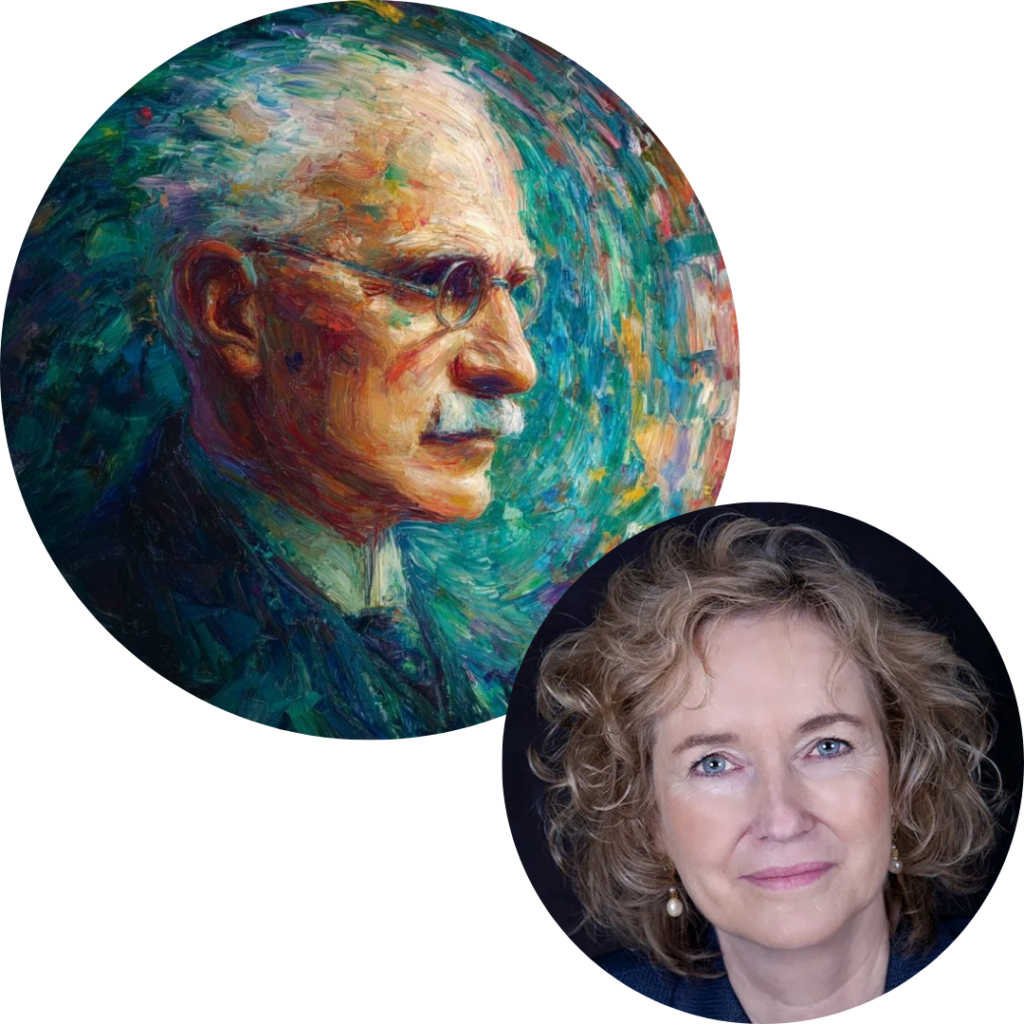
CultureTalk applies the 12-Archetype framework developed by Carol S. Pearson, building on Carl Jung’s foundational theory of Archetypes.
Jung proposed that recurring patterns and symbolic characters appear throughout human experience, influencing how people interpret the world and make meaning. Pearson translated this work into a practical framework of 12 Archetypal patterns that can be used to explore motivation, identity and development.
CultureTalk extends this framework into leadership, team development and organizational culture through Narrative Intelligence, assessments and applied development tools.
Meet the 12 Archetypes
Heroes rise to the challenge. Magicians transform what is possible. Revolutionaries challenge what no longer works.
Each of the 12 Archetypes represents a distinct motivational storyline, with characteristic strengths, values, behaviors and potential shadow expressions.
And you will likely relate to some of these stories more than others. The Archetypal patterns most active in us can shape the lens through which we interpret the world, influencing what we notice, value and prioritize.
Archetypes provide a shortcut to understanding ourselves, our teams and our organizations by making otherwise invisible motivations and patterns easier to see and discuss.
Motivation descriptions are adapted from CultureTalk for Individuals™ Archetype Reports, generated from the CultureTalk for Individuals™ assessment.
Care for others and make sure their needs are met
Turn imagination into something real and meaningful
Lead with authority toward the greatest good
Prove courage by protecting others against the odds
Transform “what if” into “what is” with vision and ease
Challenge the status quo and break new boundaries
Create belonging and fight for justice for all
Pursue deep connection and beauty in all things
Bring lightness and laughter to hard moments
Trust that things will work out for the best
Seek freedom and discover what’s over the horizon
Pursue truth through knowledge and wisdom
We are not just one Archetype
Archetypes are not fixed personality types.
Individuals, teams and organizations have the capacity to express all 12 Archetypal patterns. What differs is the relative strength, expression and interaction of those patterns.
A CultureTalk profile reveals the distinctive combination of Archetypes most active within a person or group. Some patterns may feel central to identity, while others emerge in response to particular roles, situations, challenges or stages of development.
This means the goal is not to put people into boxes.
It is to expand the lens.
Understanding the Archetypes already active can increase self-awareness and reveal strengths and potential blind spots. Developing access to less familiar Archetypes can expand the range of responses available when circumstances call for something different.
Archetypes Provide a Language for Narrative Intelligence
Narrative Intelligence is the ability to recognize the stories shaping how people interpret situations, relate to others and make decisions.
Archetypes give those recurring narratives a practical shared language.
Instead of focusing only on visible behavior, the framework helps uncover the motivations and assumptions underneath it.
A Hero may see a difficult deadline as a challenge to conquer. A Caregiver may focus first on how the workload is affecting the team. An Explorer may question whether there is a completely different way forward.
None of these perspectives is inherently right or wrong. Each reflects a different storyline about what matters, what is at stake and what action the situation requires.
Learning to recognize those narratives can deepen self-awareness, improve communication and help people navigate difference, conflict and change more intentionally.
One Framework. Three Perspectives.
CultureTalk offers three assessments designed to explore Archetypal patterns across these three levels: Individuals, Teams and Organizations.
1
ME | Individuals
Understand the Archetypal patterns shaping personal motivation, strengths, behaviors and development.
The individual lens can reveal what energizes a person, how they tend to respond under pressure and where expanding into less familiar Archetypal patterns may create new possibilities.
2
WE | Teams
Explore the shared and competing Archetypal patterns influencing collaboration, communication and team dynamics.
Teams develop their own patterns over time. Understanding those patterns can surface sources of alignment, tension, strength and potential overuse.
3
US | Organizations
Identify the dominant narratives shaping organizational culture, norms, priorities and behavior.
Organizational Archetypes can provide insight into the unwritten rules of a culture: what gets rewarded, how decisions are made, what people believe success looks like and how an organization responds to change.
From Insight to Action
Understanding an Archetype is only the beginning.
CultureTalk uses Archetypal insight to help individuals, teams and organizations translate patterns into practical action.
The framework can support:
- Leadership Development & Coaching
- Team Communication & Collaboration
- Conflict and Relationship Dynamics
- Change & Resilience
- Organizational Culture Transformation
- Mergers, Growth and Leadership Transitions
- Communications, Presence and Brand Alignment
Because the same language can be used across ME, WE and US, Archetypes create a bridge between individual development and larger organizational systems.
Explore the CultureTalk Framework
Go deeper into the ideas, research and applications behind the work.
Science + Methodology
Explore the foundations, research, psychometric testing and Narrative Intelligence behind CultureTalk’s approach.
CultureTalk Platform
See how CultureTalk applies Archetypes across Individuals, Teams and Organizations using the ME–WE–US framework.
Certification
Learn to apply CultureTalk assessments and tools in coaching, team development and organizational change.